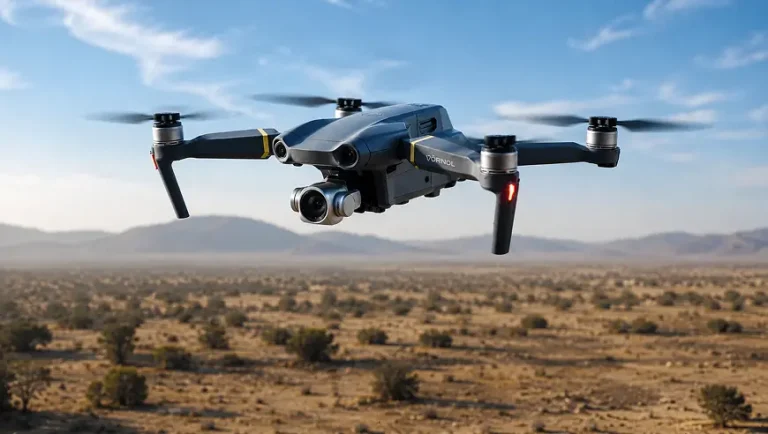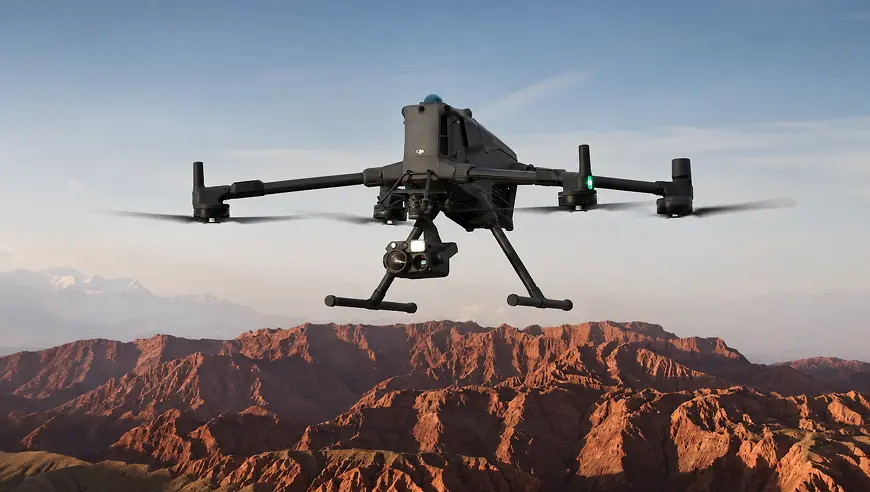
Drone technology is rapidly moving beyond traditional remote-controlled operations. With the integration of artificial intelligence, machine learning, computer vision, and advanced sensor systems, modern UAVs are becoming smarter, more autonomous, and capable of making critical decisions in real time.
AI-powered navigation is at the center of this transformation—helping drones understand their surroundings, identify obstacles, optimize flight paths, and complete complex missions with minimal human intervention. How intelligent navigation systems are making UAV missions more autonomous, accurate, and efficient.
Traditional drones primarily depend on GPS, predefined routes, and continuous operator control. AI-powered navigation introduces an additional layer of intelligence that allows UAVs to interpret environmental data and adapt their behavior accordingly.

The Future of Intelligent UAVs
The next generation of drones will not simply fly from Point A to Point B. They will understand their environment, predict potential risks, optimize their missions, and continuously learn from collected data. As AI models become more advanced and onboard computing becomes more powerful, autonomous UAVs will increasingly operate as intelligent platforms rather than remotely controlled aircraft. The future of drone flight is moving toward greater autonomy, better decision-making, and smarter mission execution.
- Reduce unnecessary flight time
- Optimize battery consumption
- Improve route accuracy
- Minimize collision risks
- Adapt to changing environments
- Improve mission completion rates
One of the biggest developments in UAV technology is the move toward navigation systems that don’t depend entirely on GPS. Technologies such as Visual-Inertial Odometry (VIO), SLAM, LiDAR, radar, and sensor fusion allow drones to estimate their position and understand their surroundings using multiple sources of information.
Recent Posts
-
Emergency Response – Built Around Your Mission
August 24, 2026
-
AI-Powered Navigation: The Next
August 24, 2026